
Project CARE
Comprehensive Assistance for Relief & Empowerment
Caring is an essential aspect of human nature that allows us to find a sense of purpose and fulfilment that goes beyond our own personal interests. Caring also has a positive impact on the wider world. When we show empathy and compassion for those who are less fortunate, it can inspire us to take action to make the world a better place. This can lead to a more just and equitable society, benefiting not only the person on the receiving end of the care, but others facing the same challenges. In India, disparity in distribution of wealth is very evident from the fact that top 1% of the population holds 73% of the wealth, while approximately 70 crore Indians, comprising the country's poorest half, saw their wealth rise by just 1%. (Source: Oxfam)
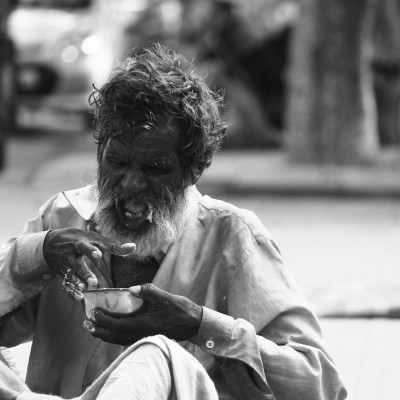
Poverty and lack of access to basic needs such as food, shelter, clothing and healthcare, and the inability to participate fully in society, affects the overall well-being and quality of life of individuals and communities.
In recent years, the government of India has launched various programs aimed at reducing poverty and improving the standard of living of the poor and underprivileged. Despite these efforts, much more needs to be done to address the persistent challenges faced by the poor and underprivileged in India.
Poverty & Hunger
India ranked 107th out of 121 countries in the “Global Hunger Index 2022” (GHI).
According to UNDP report on Multidimensional Poverty Index:
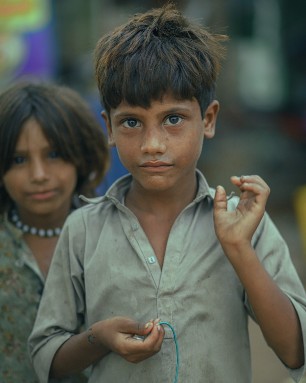
- One in every five children in India suffers from poverty.
- Approximately 23 crore Indians live Below the Poverty Line i.e. the largest number of people in the world.
- About 18.7% of the entire population of India is vulnerable to poverty.
- 90% of the country’s poor live in rural areas and 10% in urban areas.
High rate of school dropouts
According to Annual Status of Education Report (ASER) 2021:
- Around 5.3% of children in the age group of 6 to 14 years dropped out of school in India.
- Approximately 1 crore children being deprived of their Right to Education.
- Dropout rate for girls is 5.8% compared to 4.7% for boys which perpetuates gender inequality and restricts opportunities for girls.
- Around 6.4% of children in rural areas dropped out of school.
- Dropout rate in urban areas stands at 3.1%.
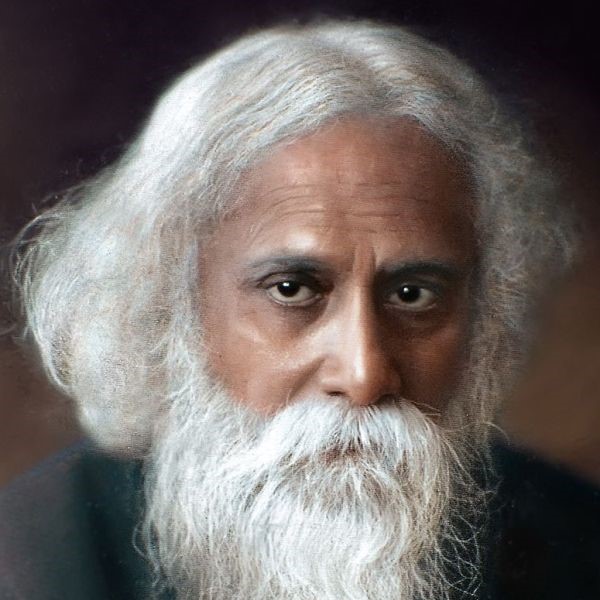
I awoke and saw that life was service.
I acted and behold, service was a joy.”
Objective
&
Scope
The goal of this project is to provide support and resources to the poor and underprivileged, thereby uplifting their lives and improving their overall standard of living. Improving access to education and healthcare, creating employment opportunities, and reducing inequality will be critical to achieving this goal.
The project will be implemented in collaboration with donor organisations and individuals to ensure that the programs are designed and delivered in a way that is relevant to the needs and challenges faced by the target communities.
Objective & Scope
The goal of this project is to provide support and resources to the poor and underprivileged, thereby uplifting their lives and improving their overall standard of living. Improving access to education and healthcare, creating employment opportunities, and reducing inequality will be critical to achieving this goal.
The project will be implemented in collaboration with donor organisations and individuals to ensure that the programs are designed and delivered in a way that is relevant to the needs and challenges faced by the target communities.
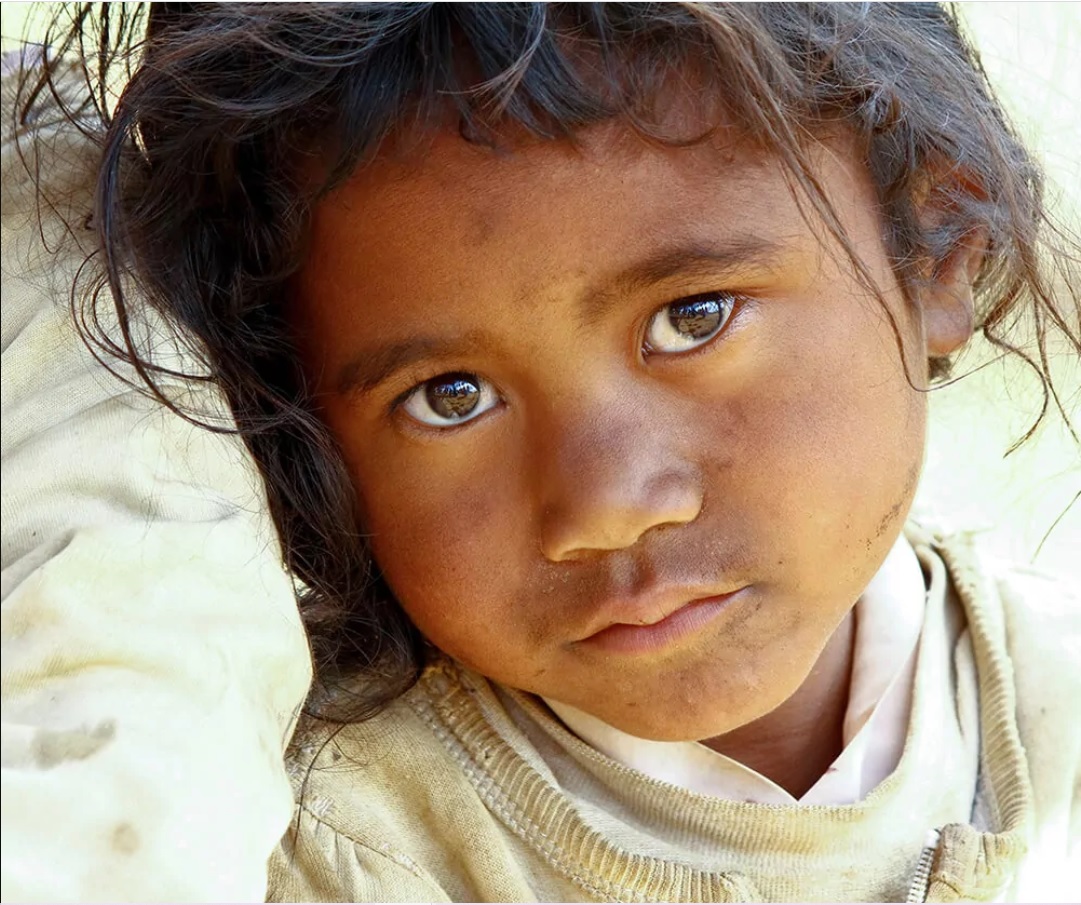
Poor Healthcare, Hygiene and Nutrition Standards
According to the National Family Health Survey (NFHS-5) conducted in 2019-20:
- Approximately 34.7% of children under five years of age in India are stunted (low height for age), indicating chronic malnutrition.
- Around 20.8% of children in this age group suffer from wasting (low weight for height), reflecting acute undernutrition.
- 58.5% of children aged 6-59 months, 53.1% of women aged 15-49 years, and 49.6% of men aged 15-49 years in India are anaemic.
- Only 69.9% of households in India have access to improved drinking water sources. In rural areas, this figure drops to 62.2%.
- Around 40.3% of households in the country lack access to improved sanitation facilities, leading to increased vulnerability to waterborne diseases.
- Maternal Mortality Ratio (MMR) in India estimated at 113 per 100,000 live births.
- Infant Mortality Rate (IMR) stands at 32 per 1,000 live births.
Activities
- Distribution of nutritious food for the underprivileged and poor.
- Distribution of blankets, woollens, socks and caps for shelter less people in winters.
- Distribution of footwear, hooded caps and water during summers to the poor.
- Distribution of stationery, books, uniform etc. for the poor students.
- Providing financial assistance to brilliant students from poor families (who can’t support their education) to help them continue their education.
- Arranging for medicines and nutritious food for poor patients.
- Helping attendants of poor patients who have to stay under open sky as their patients are admitted in Govt. hospitals for long time.
- Providing free tuition classes for poor children.
- Organising skill development programs and vocational training to create opportunities for income generation and employment.
- Improving education and awareness on health and hygiene, financial management, and other life skills.
Building a better world...Together
Ongoing Projects

- Phone:+1 (859) 254-6589
- Email:info@example.com


