
Project
Gender Equality
Empowering Women, Promoting Equality
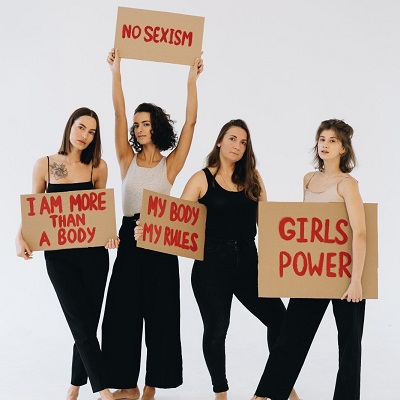
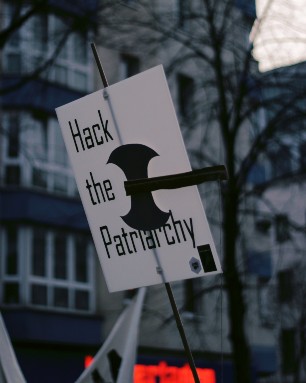
Does a new born baby know its gender? Does it know that pink is for girls and blue is for boys? No. Gender is a concept that is taught socially and all the rules, norms, roles, stereotypes and constructs associated with genders are just as socially assigned. Our society prescribes to patriarchy which is based on the belief that men are superior to women. This inequality borne out of gender-based discrimination has far-reaching impacts, both for individuals and for society as a whole. Some of the key by-products of gender inequality include:
- Increased poverty
- Limited educational opportunities
- Unequal access to healthcare
- Increased risk of violence and abuse, including human trafficking
- Underrepresentation in political leadership
- Limited potential for economic growth and productivity
A lot of beliefs and practices under the patriarchal system are not only oppressive towards women but also affect men negatively. As a whole, the entire society has suffered due to this system to varying degrees and it is time we take away the power patriarchal beliefs hold in our lives.
Gender equality refers to the equal rights, responsibilities, and opportunities for all people, regardless of gender. It recognizes that women and men, girls and boys, have the same inherent value and dignity, and that they should be treated as such. It involves challenging and changing traditional gender roles and norms, and promoting fairness and justice for all individuals, regardless of gender. Gender equality is a fundamental human right, and is essential for a peaceful, prosperous, and sustainable world. This is the reason for UN to include gender equality as one of its Sustainable Development Goals or SDGs.
SDG 5 aspires to Achieve gender equality and empower all women and girls by eliminating all forms of discrimination and violence against women and girls, and to ensure their full and equal participation in all spheres of life. This Goal is further supported by SDG 4 which aims to ensure inclusive and equitable quality education and promote lifelong learning opportunities for all by eliminating gender disparities in education and ensure that all individuals, regardless of gender, have equal access to educational opportunities.
Objective
&
Scope
The goal of this project is to create a more equitable and just society, by promoting gender equality and empowering women and girls in various aspects of their lives, including education, employment, leadership and access to healthcare, nutrition and hygiene.
This project focusses on addressing the systemic barriers that prevent women and girls from achieving their full potential and aims to provide education, resources, and support for women and girls of all ages, as well as those organizations looking to address gender equality in their workplace, educational institutions looking to support women and girls, and individuals who are passionate about promoting women’s rights and gender equality.
Objective & Scope
The goal of this project is to create a more equitable and just society, by promoting gender equality and empowering women and girls in various aspects of their lives, including education, employment, leadership and access to healthcare, nutrition and hygiene.
This project focusses on addressing the systemic barriers that prevent women and girls from achieving their full potential and aims to provide education, resources, and support for women and girls of all ages, as well as those organizations looking to address gender equality in their workplace, educational institutions looking to support women and girls, and individuals who are passionate about promoting women’s rights and gender equality.
Gender Inequality in India
Gender disparity in India is a significant issue that can be observed in various aspects of life, including education, employment, politics, and social norms. Here are some statistics highlighting the gender disparities in India:
- As per the Global Gender Gap Report 2021 published by the World Economic Forum, India is ranked at 140 out of 156 countries.
- India is ranked 132nd out of 191 countries in the Human Development Index (HDI) rankings released by the UNDP for the year 2021.
- HDI for Indian women is 0.57 significantly low in comparison to 0.67 for Indian Men.
- Indian men earn 4.6 times more than an Indian woman.
- As against employment of 10 women, 35 men are employed in India.
- Lack of access to education, employment or training has been reported in only 13.5 % of young males (age 15-24) while the figure is drastically high for similar young females with 47% of them facing the deprivation.
- In 2018, 18.4% of women aged 15-49 years reported that they had been subject to physical and/or sexual violence by a current or former intimate partner in the previous 12 months.
- As of February 2021, only 14.4% of seats in parliament were held by women.
Activities
- Awareness campaigns and training programs on the importance of gender equality, and the ways in which gender stereotypes and discrimination can impact women and girls.
- Support for the girls in educational institutions through mentorship programs, educational resources, and workshops on leadership and empowerment.
- Resources and support for women in the workplace, including training and development opportunities, flexible work arrangements, and mentorship programs.
- Partnerships with organizations and experts in the field to provide training, education, and best practices for promoting gender equality and empowering women.
- Policy interventions to enable systems to foster gender equality.
Building a better world...Together
Ongoing Projects

- Phone:+1 (859) 254-6589
- Email:info@example.com


