Effects of Harassment Against Women in the Workplace
Harassment against women in the workplace has become a growing concern in recent years. This behavior has serious negative consequences that affect the victims’ mental and emotional health, as well as their professional performance. As a company, it’s crucial to create a safe work environment and take proactive measures to prevent harassment from happening.
Effect on Mental and Emotional Health
The effects of harassment against women in the workplace can be devastating. Women who experience harassment can suffer from anxiety, depression, and post-traumatic stress disorder (PTSD). These mental health conditions can affect their personal lives, their ability to work, and their relationships with colleagues. Women may also feel powerless, helpless, and trapped in the situation, which can further contribute to their emotional distress.
Effect on Professional Performance
Harassment can also affect women’s professional performance. Women who experience harassment may miss work due to illness, depression, or anxiety. They may also have difficulty concentrating on work-related tasks, which can result in a decline in productivity and work quality. Women may also avoid interacting with colleagues, including those who are not involved in the harassment, to avoid triggering negative emotions or being subject to further harassment.
Preventing Harassment Against Women
To prevent harassment against women, it’s essential to create a safe work environment. Companies can implement policies and procedures that prohibit harassment, provide training for employees, and create a culture of respect and inclusion. This can include creating a reporting mechanism for harassment incidents and providing support and resources for victims.
Action Against Harassment
When harassment occurs, it’s important to take swift and appropriate action. This can include investigating the incident, disciplining the perpetrator, and providing support for the victim. Taking action sends a clear message that harassment is not tolerated and helps to create a safe work environment.
Providing Education and Training
Educating employees on the effects of harassment and how to prevent it can help to create a culture of respect and inclusion. Companies can provide training on topics such as recognizing harassment, reporting incidents, and bystander intervention. This can help to prevent harassment from occurring and create a safe and inclusive workplace.
Laws and Regulations
In India, the Sexual Harassment of Women at Workplace (Prevention, Prohibition, and Redressal) Act, 2013 was introduced to protect women from sexual harassment in the workplace. Under this law, every organization with more than 10 employees is required to have an Internal Complaints Committee (ICC) to receive complaints of sexual harassment. The ICC must also conduct an inquiry into the complaint and recommend appropriate action against the accused.
Conclusion
Harassment against women in the workplace has serious negative consequences that can affect both the victims’ mental and emotional health and their professional performance. As a company, it’s crucial to take proactive measures to prevent harassment and create a safe and inclusive work environment. By implementing policies and procedures that prohibit harassment, taking swift and appropriate action when incidents occur, and providing education and training, companies can prevent harassment from happening and create a workplace culture that values and respects all employees.
Overall, addressing and preventing harassment against women in the workplace in India requires a multi-faceted approach that involves legal, cultural, and organizational changes. By taking proactive steps to create a safe and inclusive work environment, companies can help to protect women from harassment and promote a workplace culture that values and respects all employees.
If you have faced Sexual Harassment at Workplace or are aware of any incident of Sexual Harassment at your Workplace,
or contact us at
+91 9810599719
News & Views

Samarth India Foundation Issues Nationwide POSH Compliance Alert
January 24, 2026

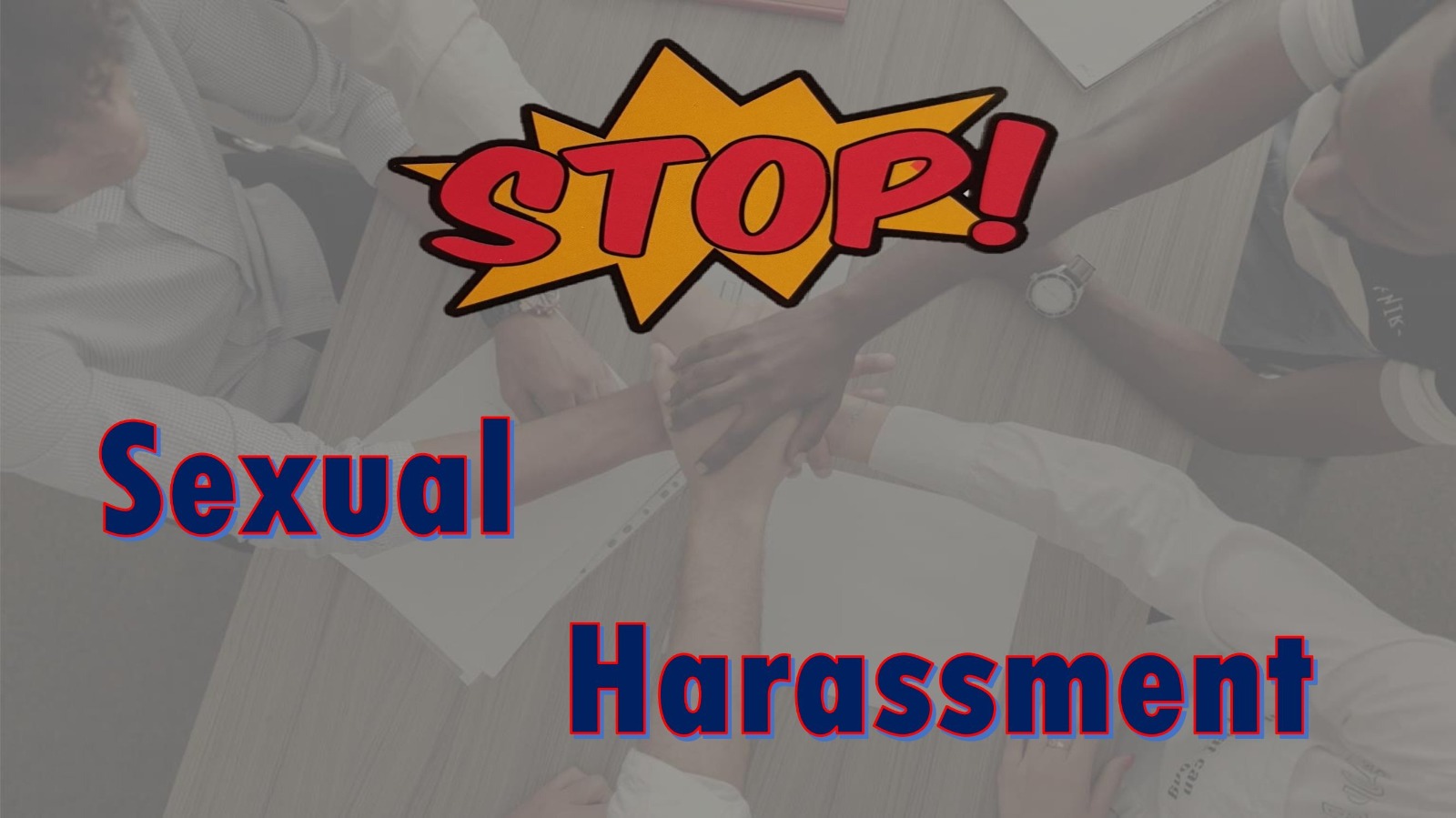
Creating Safe Working Environments
March 18, 2024

Genesis of The PoSH Act In India
March 18, 2024

Prevention of Sexual Harassment: Best Practices
March 18, 2024
Categories
- Aggrieved Woman
- Bhanwari Devi
- Community Outreach
- Complaint
- Complaints Committee
- Consent
- Decency
- Dignity & Equality
- Discrimination
- Empowerment Programs
- Freedom of Expression
- Gender Equality
- Harassment
- Hunger Relief Initiatives
- ICC
- IPC
- Modesty of a Woman
- Obscene Act
- Obscenity
- Offensive Behaviour
- Patriarchal Mindset
- PoSH Act
- Public Morality
- Reporting Mechanism
- Right to Equality
- Safe Workplace
- Sexual Harassment
- Social Impact
- Violation of Rights
- Vishaka Guidelines
- Women's Rights
- Workplace

Related Posts
Genesis of The PoSH Act In India
August 17, 2023


Prevention of Sexual Harassment: Best Practices
July 25, 2023